
Working as a Virtual Assistant From Home: What the Job Really Feels Like

Key Takeaways
What working as a virtual assistant from home really looks like in the Philippines: a typical day, home setup, honest pros and cons, pay, and taxes.
Working from home sounds like freedom. Some days it is. Other days it’s a brownout, a noisy house, and a seller waiting on an update. Here’s what the job actually feels like, week to week, so you can decide if it fits your life before you apply.
What Does Working as a Virtual Assistant From Home Actually Mean?
It means you support an online seller’s business from your own space, on a laptop, with no office to commute to. For ecommerce VAs, that usually looks like product listings, order processing, customer chat replies, inventory updates, and simple reports for stores on Shopee, Lazada, TikTok Shop, or Amazon.
You’re not an employee sitting in someone else’s office. Most home-based VAs work as independent contractors. You agree on hours, tasks, and a rate with a client, then deliver from wherever you have a stable connection. Some VAs work full-time for one client. Others split the week across two or three part-time clients. A smaller group works through a VA agency that places them with sellers and handles part of the paperwork.
Pay depends on the task and the client. Entry-level ecommerce VA roles in the Philippines are commonly advertised at ₱15,000 to ₱25,000 per month on OnlineJobs.ph and VirtualStaff.ph. Our virtual assistant salary guide breaks that down by role and skill.
This guide skips the job search and the pay tables, because we cover those elsewhere. Instead, it covers the part most guides leave out: what a normal day feels like, how to keep a home setup reliable, the honest downsides, how to protect your energy, and how to handle money and contributions as a self-employed worker. If you’re still hunting for openings, start with our guide to virtual assistant jobs you can do from home.
What Does a Typical Day Look Like When You Work as a VA From Home?
A typical day mixes steady routine tasks with a few unplanned requests, and it’s shaped by your client’s business hours more than your own preferences. Your client’s time zone sets the rhythm of the whole day.
If you support sellers in the Philippines, Singapore, or Malaysia, your hours overlap almost perfectly, since Manila, Singapore, and Kuala Lumpur all run on UTC+8. If you support clients in the US, expect early-morning, evening, or overnight shifts. New York is 12 to 13 hours behind Manila, depending on daylight saving. Ask about hours before you accept the job, not after.
Here’s an illustrative day for a full-time ecommerce VA on Manila hours. Your client’s version will look different, so treat it as a sketch, not a rule.
| Time | What you’re doing |
|---|---|
| 8:30 AM | Check overnight orders, unread chats, and anything flagged urgent |
| 9:00 AM | Priority block: the two tasks your client cares about most, such as new listings or an order backlog |
| 11:30 AM | Reply to customer messages in one batch |
| 12:30 PM | Lunch, away from the screen |
| 1:30 PM | Batch work: inventory sheet, order status updates, returns |
| 4:00 PM | Extra requests and admin tasks |
| 5:00 PM | End-of-day report: what’s done, what’s pending, what needs a decision |

Notice what the table doesn’t show: long, quiet stretches. Working from home doesn’t mean working uninterrupted. Messages arrive in bursts, a flash sale can rewrite your afternoon, and a small store may need a buyer answered within minutes. Batching similar tasks and agreeing on reply times is what keeps the day from running you.
Part-time roles squeeze the same pattern into a few focused hours, often around school, family, or another job. Our day-one VA playbook walks through the routine and client-update habits in more detail.
How Do You Set Up a Home Workspace That Survives Brownouts and Slow Internet?
Reliability matters more than a fancy desk. Clients rarely care what your setup looks like. They care that you’re online at the agreed time and stay reachable. A home-based VA in the Philippines needs a plan for three things: internet, power, and noise.
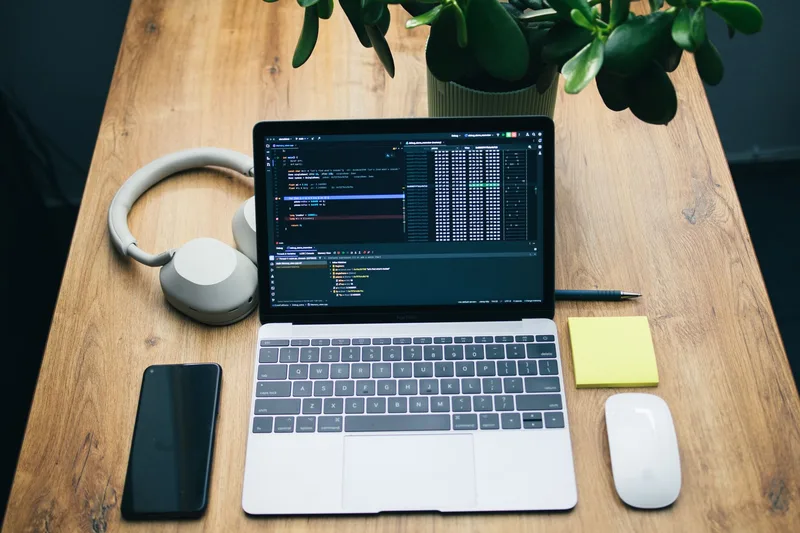
- Internet backup. Keep a second connection ready. A mobile data plan you can share with your laptop is the usual choice. Some job posts list a backup connection as a requirement, so mention yours when you apply.
- Power backup. A power bank that can charge a laptop, or a small UPS, buys you time to finish a task or tell your client what’s happening. Brownouts can hit without warning, so use cloud tools like Google Sheets that save as you type.
- Noise and space. A headset with a decent microphone matters for client calls. If you share a home, a corner with a proper chair beats working from a bed or sofa. Tell the people you live with your working hours in plain words, and agree on a signal for “please don’t interrupt,” like a closed door or headphones on.

When something does go wrong, tell your client early. A short message like “Power is out in my area. I’ll be back online on my phone data in about an hour and will finish the listings by end of day” keeps trust intact. Clients forgive outages. They rarely forgive silence.
For software, most ecommerce VAs use a shared drive, a messaging app, spreadsheets, and the seller dashboard for the client’s marketplace. Our virtual assistant tools guide covers what to learn first.
What Are the Real Pros and Cons of Working as a VA From Home?
Both lists are real. Here’s the honest version, based on our research of VA job posts and community discussions.
What people like:
- No daily commute. You get back the travel time and the transport money.
- Flexible arrangements. Part-time and split schedules can fit around school, family, or another job.
- Clients beyond your city. Sellers in Singapore, Malaysia, Australia, and the US hire Filipino VAs remotely.
- A skill path. Listings, customer service, and store management can grow into higher-paid specialist roles.
What people struggle with:
- Uneven income. Contractors don’t get paid leave or 13th month pay the way regular employees do, so a client’s budget change lands on you directly.
- Isolation. You may go days talking about work only through chat.
- Blurry boundaries. When your desk is also where you eat, the workday leaks into the evening.
- Scope creep. “Can you also do this one small thing?” adds up fast when tasks aren’t written down.
- Scams. Real VA work exists in large volume, and so do fake postings that ask for upfront fees. Our guide to spotting legit virtual assistant jobs helps you screen offers before you commit.
Before you commit, run a quick self-check. Can you focus for hours with interruptions around you? Do you have a reliable spot, plus power and internet backup? Are you comfortable writing short, clear updates? Can you handle income that isn’t guaranteed? If most answers are yes, home-based VA work is likely a good fit. If two or three feel shaky, fix those first. Most of them are fixable.
How Do You Stay Focused, Set Boundaries, and Avoid Burnout at Home?
Treat your home workday like a job with a start and an end. The biggest risk of working from home usually isn’t laziness. It’s never fully clocking out.

- Create a start and stop ritual. Change into work clothes (a clean shirt counts), open the same tabs, and message your client that you’re starting. At the end, send your report, close the laptop, and leave the workspace.
- Set availability in writing. Tell clients your working hours and how you’ll handle after-hours messages. Most requests can wait until morning, and a client with an agreed reply window learns to plan around it.
- Batch instead of juggling. Group similar tasks, like all customer replies at once and all listing updates at once, so your day isn’t cut into small pieces.
- Take real breaks. Step away from the screen at lunch. A short stretch between task blocks is easy to skip and costly to skip.
- Say no to unpaid extras, politely. Try: “I can do that. It’s outside our current task list, so let’s agree on hours or a rate first.” It protects you without souring the relationship.
- Find your people. Join VA communities on Facebook or Discord, or work from a coworking space now and then. Isolation comes up often in VA community discussions, and having another VA to ask “is this normal?” helps.
Add a ten-minute weekly review on Fridays. Note what took the longest, what you’d do differently, and what to ask your client next week. Small adjustments beat one big burnout.
How Do You Handle Pay, Taxes, and Contributions as a Home-Based VA?
As an independent contractor, you’re responsible for getting paid safely, registering as self-employed, and covering your own government contributions. It’s less complicated than it sounds, but it works best when you set it up early.
Getting paid. International clients often pay through Wise, Payoneer, or PayPal, while local clients commonly use bank transfer or GCash. Before you start, agree on the payment method, the currency, the payment schedule (weekly, bi-weekly, or monthly), and who covers transfer fees. Put the terms in writing, even if it’s just a message thread, and keep a record of your hours and invoices.
Registering and taxes. Freelancers in the Philippines are generally expected to register with the Bureau of Internal Revenue (BIR) as self-employed individuals. Depending on your income, you may be able to choose between graduated income tax rates and a flat rate on gross receipts. Rules and thresholds change, so ask your Revenue District Office or an accountant which option applies to you. This guide is general information, not tax advice.
Contributions. For regular employees, employers share the cost of SSS, PhilHealth, and Pag-IBIG contributions. As an independent contractor, you usually pay these yourself as a self-employed or voluntary member. Check the requirements on the SSS and PhilHealth websites, and treat them as a monthly cost, not an afterthought.
Keep a simple sheet that tracks income, work expenses like internet and electricity, and money set aside for taxes and contributions. When you compare two offers, compare them after these costs. A rate that looks higher can end up lower once you subtract them.
Frequently Asked Questions
Can you work as a virtual assistant from home full-time?
Yes. Many ecommerce VAs work full-time from home for one client, while others combine two or three part-time clients. Full-time roles are usually advertised with set hours on platforms like OnlineJobs.ph and VirtualStaff.ph. How stable it feels depends on your client’s budget, so many VAs try to add a second client before relying on just one.
Do you need a dedicated home office to work as a VA?
No. You need a laptop, a stable internet connection, a backup connection such as mobile data, a headset, and a quiet enough spot to take client calls. A corner of a room with a proper chair is enough. Clients care more about reliability and clear updates than about how your workspace looks.
What should you do if the power or internet goes out during work hours?
Tell your client right away, switch to your backup connection or power bank if you can, and say when you expect to be back online. A short message with a time estimate keeps trust intact. Then make up the missed work and note what you will change so it does not repeat.
Do home-based virtual assistants get benefits like paid leave?
Usually not. Most home-based VAs work as independent contractors, so paid leave, 13th month pay, and employer-paid SSS, PhilHealth, and Pag-IBIG contributions typically are not included. Some VA agencies employ their VAs directly, so ask what is included before you accept. Budget for your own contributions and time off.
Your Next Milestone: One Practice Week
You now know what a working day looks like, what a reliable setup needs, the honest pros and cons, how to protect your energy, and how money and contributions work. The next milestone is small. Run one practice week before you commit to a client. Set up your workspace, follow a start and stop routine, and see how it feels.
If you want a clearer read on where you stand, take the free EcomHero Career Scorecard to see what you’re ready for and what to work on first.
5 minutes. Free. No pitch.
Keep Reading
Frequently Asked Questions
Can you work as a virtual assistant from home full-time?
Do you need a dedicated home office to work as a VA?
What should you do if the power or internet goes out during work hours?
Do home-based virtual assistants get benefits like paid leave?
Related Articles
Virtual Assistant Work: What Sellers Are Hiring For
Find real virtual assistant work in the Philippines: which tasks pay best, where to apply, and how beginners land their first ecommerce VA client.
VA Agencies in the Philippines: Which One Fits You?
A roundup of ecommerce VA agencies hiring in the Philippines, what each specializes in, real pay ranges, and how to vet one before you apply.
Virtual Assistant Agency Philippines: Worth Joining?
Thinking about a VA agency in the Philippines? Compare pay and benefits vs freelancing, see real agencies hiring, and how to get picked.
Ready to start your ecommerce career?
Explore career paths, build in-demand skills, and connect with employers across Southeast Asia.
Explore Career Paths